




















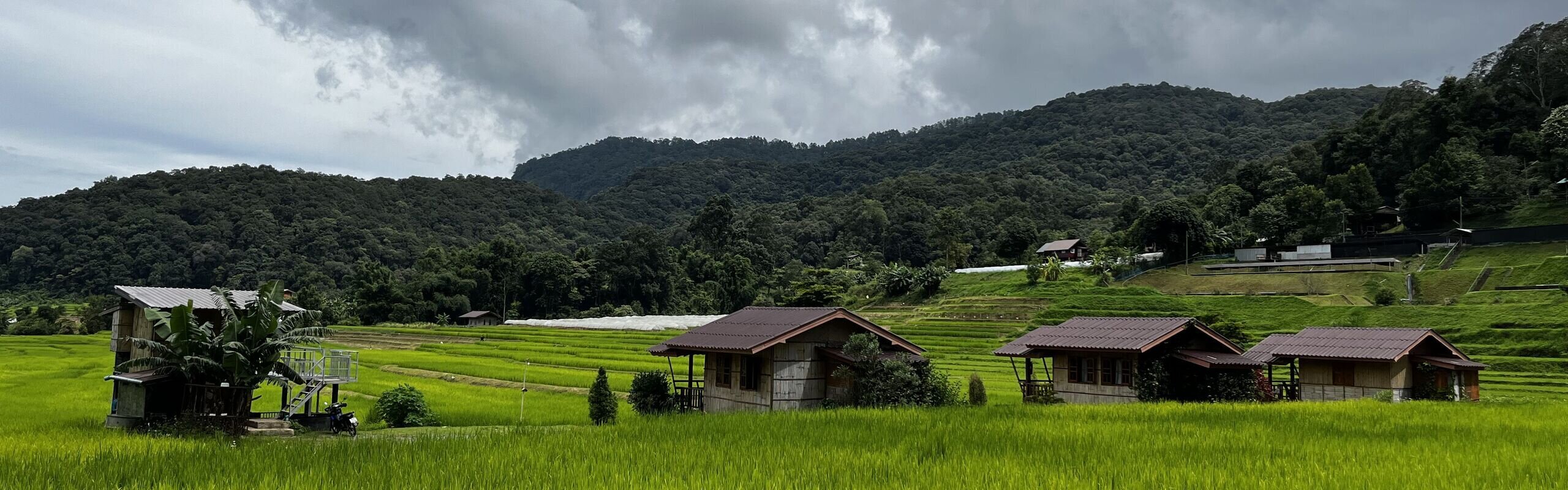
If you're planning a trip to Thailand and keep hearing warnings about the "rainy season," you're not alone. Many travelers worry it means constant rain, ruined plans, or places becoming completely untravelable.
In reality, that's not how the rainy season plays out for most trips.
Thailand's rainy season does affect travel, but it doesn't automatically make it a bad time to visit. What matters is when you're going, where you plan to go, and how flexible your itinerary is.
Here's what you actually need to know before deciding.
- When Is the Rainy Season in Thailand?
- Is the Rainy Season a Bad Time to Visit?
- Where Rain Impacts Travel the Most
- Places That Travel Well in the Rainy Season
- How to Travel During the Rainy Season
- Pros & Cons of Visiting in the Rainy Season
- Thailand Rainy Season FAQ
- Final Verdict: Is It Worth Visiting?
When Is the Rainy Season in Thailand?
Thailand's rainy season generally runs from May to October, influenced by the southwest monsoon.
While most of the country follows this pattern, rainfall doesn't arrive or behave the same way everywhere—especially between the Andaman Coast and the Gulf Coast, where islands like Koh Samui tend to see their rainiest months from October to December.
In general, this is how the season unfolds:
- May–June: Rain begins gradually, often in short afternoon showers
- July–September: The wettest period, with more frequent and heavier rain
- October: Rain tapers off, but weather can still be unpredictable
Rain usually comes in bursts rather than all-day downpours, especially outside peak monsoon months.
Thailand Rainy Season by Region
| Region | Rainy Season | Peak Rain | Notes / Recommendations |
|---|---|---|---|
| Andaman Coast (Phuket, Krabi, Phi Phi) | May – October | September - October | Rough seas, ferry cancellations |
| Gulf Coast (Koh Samui, Koh Phangan, Koh Tao) | October – December | November | More stable beach weather |
| Northern Thailand (Chiang Mai, Chiang Rai) | May – October | August – September |
Morning sunny, afternoon showers, lush landscapes |
| Central Plains (Bangkok, Ayutthaya) | May – October | September | Urban attractions largely unaffected |
Plan your trip around Thailand's best season.
Is It a Bad Time to Visit Thailand?
For most travelers, no.
The rainy season becomes a problem only when expectations don't match how travel actually works during these months.
If you're expecting guaranteed beach weather every day, the rainy season may feel frustrating. But if you're flexible, enjoy slower travel, or prioritize culture, food, and scenery, it often works just fine.
During the rainy season:
- It rarely rains all day, every day
- Mornings are often dry, with rain later in the afternoon
- Many attractions, cities, and cultural sites remain fully accessible
From our team's experience: in late August and early September 2024, we traveled through central and northern Thailand. Most days followed a familiar pattern—clear mornings and heavier rain later in the day. In places like Kanchanaburi, Ayutthaya, Khao Yai, and Chiang Mai, daytime sightseeing was rarely disrupted, with rain more likely to arrive in the evening. The only time rain significantly affected our experience was during an evening food tour in Bangkok's Chinatown, when a downpour lasted about an hour before things quickly returned to normal.
 Khao Yai National Park during Thailand's rainy season – lush greenery after rainfall, still suitable for hiking
Where the Rain Affects Travel Most
In practice, rain matters much more for islands than for cities.
Areas most affected:
- Andaman Coast islands (Phuket, Krabi, Phi Phi): rougher seas and more frequent ferry disruptions during the main rainy season, especially from July to September
- Island-hopping itineraries that rely on speedboats
- Remote or rural areas where heavy rain can affect road conditions
This doesn't mean these places are "closed," but plans may change more often than in the dry season.
Places That Travel Well During Thailand's Main Rainy Season
Some parts of Thailand remain surprisingly enjoyable during the country's main rainy season from May to October.
- Bangkok: Urban attractions, food, shopping, and temples are barely affected
- Chiang Mai & Northern Thailand: Lush landscapes, fewer crowds, and cooler evenings
- Gulf Coast islands (like Koh Samui): follow a different rainfall pattern than the Andaman side and can be a more stable island option during Thailand's main rainy season (May to October)
- National parks and nature-focused areas (such as Kanchanaburi, Khao Yai, and Khao Sok): at their greenest during the rainy season, with full waterfalls and fewer visitors—best suited for travelers who are comfortable with occasional showers and flexible outdoor plans
If your itinerary focuses on cities, culture, and nature rather than nonstop beach time, rainy season travel can work very well.
Doi Inthanon rainy season scenery – misty mountains and lush green landscapesHow to Travel Thailand During the Rainy Season
If you do travel during this period, a few adjustments make a big difference:
- Plan flexible days instead of tightly packed schedules
- Prioritize regions less affected by monsoons for that month
- Add buffer time for ferries and flights, especially to islands
- Expect occasional adjustments, not trip-ending disruptions
Rainy season travel tends to suit travelers who are comfortable adapting their plans as conditions change.
Pros & Cons of Visiting Thailand in the Rainy Season
The rainy season isn't about "good" or "bad"—it's about trade-offs.
Pros
- Fewer crowds at major sights
- Greener landscapes and waterfalls at their best
- Better hotel availability and value
- A more relaxed, local feel in many destinations
Cons
- Less predictable beach conditions
- Occasional transport delays
- Some island activities may be limited
Grand Palace Bangkok during the rainy season – sunny morning with fewer crowdsFAQ — Thailand Rainy Season
Q: Will it rain all day in Thailand during the rainy season?
A: No. Rain typically comes in short bursts, often in the afternoon or evening. Morning hours are usually dry and sunny, especially outside the peak monsoon months.
Q: Can I still enjoy outdoor activities during the rainy season?
A: Yes. Morning hours are often dry, making sightseeing, temple visits, and urban exploration possible. Outdoor nature activities like waterfalls and national parks can be especially beautiful, though heavy rain may occasionally affect travel in rural areas.
Q: Are the beaches and islands still worth visiting during the rainy season?
A: Beach conditions on the Andaman Coast can be unpredictable, but the Gulf Coast islands like Koh Samui often offer more reliable beach weather during parts of the rainy season. Flexibility is key for island-hopping itineraries.
Q: How should I prepare for a trip during the rainy season?
A: Bring light rain gear, plan flexible schedules, prioritize regions less affected by heavy rain, and check local weather forecasts regularly. Choosing destinations like cities, northern Thailand, or Gulf Coast islands can help maintain enjoyable travel experiences.
So, Is Thailand Worth Visiting During the Rainy Season?
Yes—if you plan with the season in mind.
Travelers who struggle most are those who expect dry-season conditions year-round. Those who adjust their route, pace, and expectations often find rainy season travel quieter, greener, and more authentic.
If you're unsure how this applies to your exact dates, our Thailand travel consultants can help you assess routes and regions realistically.
With the right approach, Thailand's rainy season doesn't have to be something to fear—it can simply be a different way to experience the country.
Get Inspired with Some Popular Itineraries
At Highlights Travel, we create your kind of journey — your dates, your destinations, at your pace. You can have any trip tailor made for your travel.