
















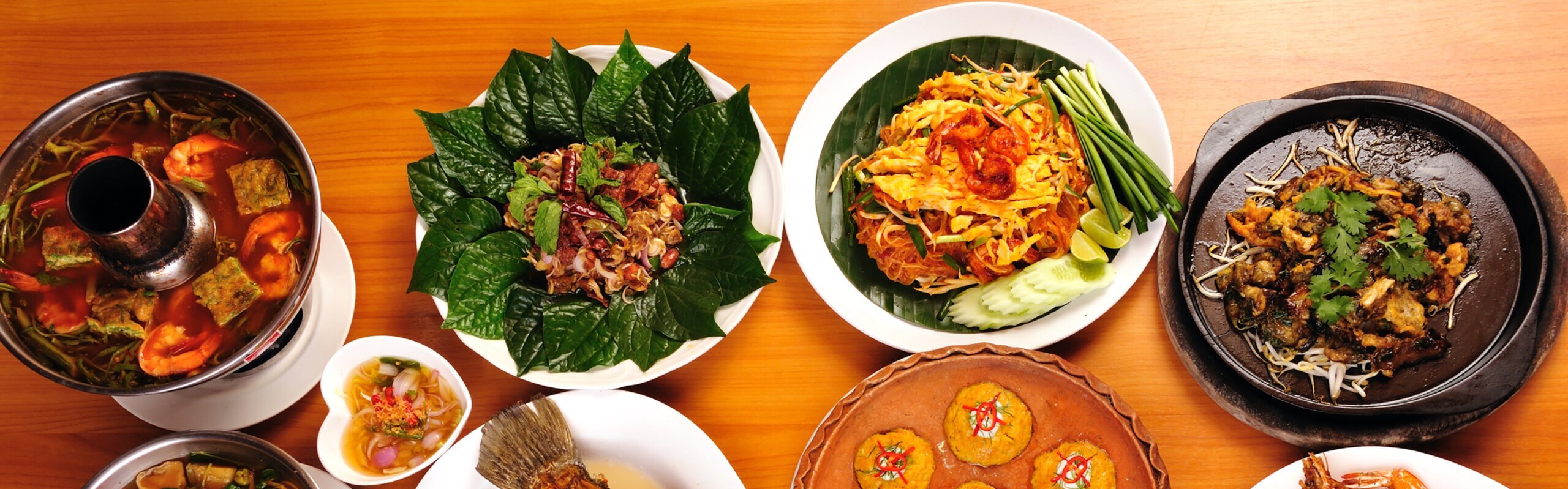
Many travelers rave about Thai food—including me.
But what really surprised me was this: every flavor has its own logic, and every region follows a different set of rules.
This guide is not a list of "what to eat" or "where to eat."
You already know where to find that online.
This is about understanding the story behind the flavors—and using them to shape your itinerary.
Let's open Thailand like a food culture map.
The Secret Behind Thai Food: From Chillies to Curry
Think you know Thai food? Think again. Sure, it can be spicy, but that's just the opening act.
The real show is how sweet, sour, salty, and spicy all share the stage without stealing the spotlight. Every dish tells a story—of trade, culture, and the way Thailand invites you to taste life, one bite at a time.
How Tom Yum Explains the Thai Way of Flavor
Most travelers think of Tom Yum as "the spicy soup," but its appeal comes from balance, not heat.
Lime adds acidity, chilies bring heat, fish sauce adds saltiness, palm sugar softens the edges, and herbs like lemongrass and kaffir lime leaves lift everything with aroma.
Every ingredient has its own punch, but together they create harmony. That's the heart of Thai food.
This idea of balance reflects Thai life too. In a Buddhist country, harmony matters: avoiding unnecessary conflict.
It's why markets feel lively but not chaotic, and why everyday life feels calm despite the intensity around you.
Tom Yum isn't just a signature dish; it's a snapshot of how Thailand handles complexity with harmony, not force.

Why Thai Food Is Spicy (And Why That's Not the Whole Story)
Thai food isn't spicy just because people love heat.
In a hot, humid climate, chilies helped cool the body, boost appetite, and keep food fresh—practical solutions long before refrigeration existed.
Interestingly, chilies weren't even native to Thailand. They arrived via Portuguese traders in the 1500s and spread because they were easy to grow and lasted well.
Yet even with their widespread use, Thai cuisine isn't always hot. The real principle is flexible balance—flavor that adjusts to each person and each region.
You'll see it in action: condiments on every table, and northern dishes that stay naturally mild. Heat is optional; harmony is the point.
Spicy Food in ThailandWhy Thailand Has So Many Curry Colors
One of the first things you notice in Thailand is that curries come in every color—red, yellow, green...
It feels uniquely Thai, but the truth is more layered: these curries are the result of centuries of trade, migration, and cultural blending.
Thailand sits at the crossroads of major land and sea routes. Spices, ingredients, and cooking methods arrived from everywhere.
That's why every curry feels like a little traveler itself.
- Yellow curry brings the warmth of South Indian spices.
- Red curry? Those chilies actually came from the Americas via Portuguese traders.
- Massaman mixes Islamic influences with Thai royal cooking.
- And Panang? That one's rooted in Malay traditions.
To taste the richest curries, head to Bangkok or Phuket—the old hubs of trade and migration.
Sticky Rice or Jasmine Rice? The Simple Choice That Tells a Bigger Story
Spend a few days in Thailand, and you'll soon face the classic question: "Sticky rice or jasmine rice?" It might seem small, but the choice tells you a lot about each region.
The climate decides the rice:
cool, dry north = sticky rice
warm, humid central/south = jasmine rice
That difference also shows up in how people eat.
- In the north, local farmers eat it by hand, share dishes around a low table, and pair it with grilled meats and chili dips.
- As an economic hub, the central plains saw trade introduce new ways to enjoy jasmine rice—from plain steamed to Chinese noodles—and even some Western-style eating.
- Down south, where fishing villages dot the coast, long-grain rice suits a fast, practical lifestyle. It's light, cooks quickly, and pairs perfectly with southern coconut curries and seafood dishes.
Why Your Tom Yum Tastes Different in Every City
Ask anyone who has traveled around Thailand, and they'll tell you the same thing: "Tom Yum in Bangkok tastes nothing like Tom Yum in Chiang Mai or Phuket."
And they're right. One dish, many identities—because each region seasons food according to its geography, history, and the cultures that shaped it.
- Northern Thailand (Chiang Mai)
Here, you'll get a milder, more herbal Tom Yum—often without coconut and without extreme heat. Flavors lean earthy, thanks to influences from Myanmar and Yunnan.
- Isaan (Nakhon Ratchasima)
In Isaan, flavors are loud, direct, and unapologetic—shaped by Lao food traditions. Think tangy, spicy, and smoky, just like papaya salad and grilled meats. Tom Yum here hits fast and hard.
Papaya Salad- Central Thailand (Bangkok)
Bangkok's Tom Yum is what most visitors think of as classic: balanced, aromatic, and smooth. Its style comes from a mix of influences—royal cuisine, migration, and trade.
Refined Dishes in Central Thailand- Southern Thailand (Phuket)
Head south and the soup turns brighter, richer, and hotter. Coconut, seafood, and Malay-Chinese influences create deep, fragrant broths with serious spice. It's the same reason southern curries are famously bold.
Top 3 Cities to Enjoy Thai Food
We highly recommend Bangkok, Chiang Mai, and Phuket because they're the clearest ways to see how Thai food changes across the country.
- Bangkok shows you the full mix—street stalls, royal dishes, and flavors shaped by river trade.
- Chiang Mai brings the herb-forward mountain style of the North.
- And Phuket adds its island twist, where Chinese and Malay influences meet fresh seafood.
Bangkok = The Trading Bowl
If you have only one city in your itinerary, choose Bangkok for the broadest introduction to Thai flavors.
You'll have the most diverse street food here: traditional Thai Tom Yum, Teochew dumplings, Hakka stir-fries, Indian curries, Muslim snacks, all in a single neighborhood.
A lot of this variety comes from the Chao Phraya River. Back in the day, it made travel easy and brought migrants whose cooking skills blended in neighborhoods like Chinatown and Bang Rak.
Even fun traditions like boat noodles and floating markets grew from life along the river.
Street food is incredible, but it's only part of Bangkok's story. Don't miss royal Thai cuisine—the pinnacle of Thai flavors. Since Bangkok is the heart of royal life, it's the best place to taste authentic royal dishes and the culture behind them.
Damnoen Saduak Floating MarketChiang Mai = The Mountain Kitchen
When you taste sour sausages or Khao Soi in Chiang Mai, the herb-heavy and lightly smoky flavors tell a story of the mountains.
For centuries, the city's isolation meant ingredients arrived slowly, so locals relied on herbs, fermenting, and smoking to preserve food.
The best place to see this logic in action? Chiang Mai's markets. Hill tribe farmers sell pickles, chili pastes, and herbs.
Isolation also helped traditions survive. The Lanna low-table dining style—sitting on the floor, sharing dishes—is still a thing. The easiest and most fun way to experience it? A Khantoke Dinner, complete with local music, dance, and food.
Khantoke Meal, Chiang MaiPhuket = The Port of Oceans
As an island, Phuket is famous for seafood—but its true identity comes from migration.
In the 19th century, tin mining brought waves of Chinese and Malay immigrants who blended their cooking with local Thai flavors. That's how Baba-Peranakan cuisine was born: Thai spices + Chinese techniques + Malay warmth.
You can taste this history in Old Town Phuket. There, century-old kitchens amid colorful shophouses serve Baba curry, Hokkien Mee, steamed fish, and festival dishes.
This multicultural heritage also brings Phuket's vegetarian festival (mainly in October)—a living blend of Chinese ritual and Thai spirit.
Grilled Seafoodkrabi street foodIf you want to taste this contrast for real, we even run a 7-Day Thailand Culinary Adventure Tour that links Bangkok and Chiang Mai—it's an easy, no-rush way to experience both regions' flavors in one trip.
7 Unique Ways to Experience Thai Food
Thailand not only has rich flavors but also diverse ways to enjoy them. From morning markets to cooking classes at a local home, each experience shows a different side of daily life.
We've handpicked 7 unique ways to experience Thai food for you.
1. Morning Markets: The Best Way to See Real Community Life
Save at least one breakfast for a morning market—it's the heart of Thai daily life.
You'll taste the classic Thai breakfast staples: moo ping (grilled pork skewers), sticky rice wrapped in banana leaves, golden Thai-style donuts, Thai milk tea, or traditional soy milk.
You can also see a raw, real, and very local daily life there. Office workers grab rice porridge on the go, aunties compare fish at the wet market, and monks in saffron robes pass through to collect alms.
For a truly rich experience, head to Trok Mor Market in Bangkok. Beyond the usual breakfast fare, you'll discover the city's diverse heritage: halal, vegetarian, and festival-special dishes rotate daily.
Morning market in Bangkok2. Night Market: Step Inside Thailand's Nightlife
Night markets are an easy, low-effort way to soak up Thailand's nightlife without stepping into a bar.
You can stroll, snack, and explore at your own pace—pad Thai, som tam, charcoal-grilled squid, and even insect stalls if you're curious.
But what really makes it special is the energy: locals and travelers mingling, music playing, and lights glowing across the stalls.
For the biggest and most atmospheric ones, stick to weekends. Some of the highlights include Chatuchak Friday Night Market in Bangkok, Phuket Walking Street, and Chiang Mai Sunday Night Market.
Khao Kha Moo Chang Phueak, Chiang MaiOut of all the night markets I've visited, my favorite is the Chiang Mai Sunday Market. The pace feels more relaxed, and the way the night market connects with nearby temples gives it a uniquely Thai atmosphere.
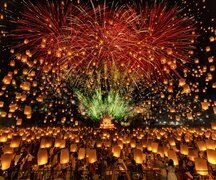
If you're visiting Chiang Mai in November, don't miss the Yi Peng and Loy Krathong Festivals (Nov. 24–25, 2026). The Sunday Market becomes even more magical with lanterns floating overhead.
Chiang Mai Sunday Market3. Thai's Kitchen: Cook Your Thai Cuisine
You can eat street noodles, fancy Thai food, Michelin spots…
But unless you've stepped into a Thai home, you've only seen half the picture.
Joining a cooking class in a local home is where daily Thai life comes alive in your hands. Here, you don't just taste—you cook.
From picking fresh ingredients to preparing traditional dishes, every step gives you a sense of how Thai families eat and live. It's more intimate and you can get to local life up close.
Chiang Mai is ideal for this experience. It has the most farm-to-table options.
I highly recommend the cooking classes with a local family at the outskirts of the city.
You'll explore their charming stilted house, immerse yourself in the peaceful rural views, and hear the little stories of their daily life.
Picking up Coconut for Cooking4. Northern Coffee Farm: From Opium Fields to a Cup of Coffee
Northern Thailand's coffee isn't a trendy café thing. It's the story of how an entire region changed direction.
Decades ago, these hills were covered in opium. Forests were cleared, soil eroded, and communities relied on a crop with no future.
The turning point came with the Royal Project—an effort to replace opium with sustainable crops. And coffee became the region's quiet success.
A cup of northern Thai Arabica isn't just delicious.
It's a symbol of reinvention.
If you want to see it up close, join us for a walk through the coffee plantations. Hear the Karen villagers share their personal stories and discover how this region went from opium fields to some of the best coffee you'll ever taste.
Picking Coffee Beans in Chiang Mai5. Royal Thai Dining: A Taste of Living Heritage
Most travelers know Thailand for its street food—but few realize the country also has a whole world of royal cuisine that most visitors never try.
You'll try recipes passed down from the chefs who once cooked for the king.
Every dish aims for a clean balance of Thailand's five key flavors, like the Royal Tom Yum Goong.
Every plate reflects centuries of culinary artistry. They are often adorned with intricately carved fruits and flowers.
But the experience goes beyond taste. The order of the dishes follows old palace rules, giving you a small look into royal dining.
Bangkok and Ayutthaya are the best places to enjoy royal cuisine because they've long been the heart of Thailand's monarchy.
Blue Elephant is one of the most atmospheric spots to try it. Sit inside a century-old mansion, enjoy beautifully plated royal dishes, and hear the stories behind each one from your server. It's another cultural immersion.
Royal Thai Food6. Alms giving—Join a Food-Centered Religious Ritual
If you want to understand Thai food culture truly, alms giving is a must.
This simple daily ritual will show you how locals express their faith through food. It's an experience you can't get in a museum or tourist spot.
Monks walk barefoot in a quiet line, and you place food into their bowls. It's not just watching, you are part of it.
You can join this ceremony in most Thai cities, but I like Chiang Mai the most. It's quieter than other cities and has a much more authentic feel. If you want a quiet, authentic experience, head to the Old City; for a more spectacular scene, visit Doi Suthep.
Tip: Traditionally, locals prepared the food by hand, but with today's faster pace of life, some of them simply buy ready-made offerings—and you can too.
Most offerings are vegetarian, typically hot rice, fruit, sweets, or pre-packed boxes.
Almsgiving in the alley of the Old City in Chiang Mai7. 7-Eleven in Thailand: Your 24/7 Gateway to Thai Flavors
You might have visited a 7-Eleven before, but in Thailand, these stores stand out for their Thai flavors.
You can find authentic Thai dishes like Pad Krapow (stir-fried basil pork), Thai green curry, Thai milk tea, and even dedicated vegetarian options.
Even more unique are the sticky rice burgers, single bananas, and the chance to make your own smoothie at the counter.
Open 24/7, it's basically a tiny, reliable kitchen you can count on anywhere. I even found them on the way to mountain areas like Khao Yai National Park.
Food in 7-Eleven, ThailandWant to see how these experiences can fit together? Check the travel logistics in our guide: how to plan your first trip
Bangkok – Chiang Mai – Phuket: Your 10-Day Thai Food Trip
In these top three foodie cities, you can explore landmarks, meet elephants, relax on beaches, and taste the country's most iconic flavors on your first visit.
For most first-time visitors, 10 days hits the sweet spot. It gives you enough time to enjoy each city fully without rushing, from street food to royal cuisine, and still have room to unwind.
Instead of giving you "popular" choices, we steer you toward the places where food reflects identity, history, and culture.
You can check the following brief itinerary: 3 nights in Bangkok, 3 nights in Chiang Mai, and 3 nights in Phuket.
Bangkok (Days 1–3)
- Day 1: Arrival.
- Day 2: Trok Mor Market → Grand Palace/Wat Pho → Riverside lunch→canal visit with longtail boat → Wat Arun → Royal cuisine dinner.
- Day 3: Maeklong & Damnoen Saduak Markets → Chinatown street food & tuk-tuk tour.
In these 3 days, we will especially arrange a local breakfast at Trok Mor Market, a royal cuisine and street food tour for you.
We pair royal cuisine with your temple day for a full view of Thai royal life. This ritual dining is also best for a romantic celebration.
To truly taste everyday Bangkok, we suggest pairing street food with market visits across different times of day.
Start your morning at Bangkok's one-of-a-kind Maeklong Railway and Damnoen Saduak Floating Markets, then explore the vibrant streets of Chinatown at night.
Along the way, we'll show hidden gems most visitors miss and introduce food heroes who've been perfecting their craft for decades—or even centuries.
Chiang Mai (Days 4–6)
- Day 4: Fly to Chiang Mai → Khantoke Dinner.
- Day 5: Elephant Sanctuary Visit → Cooking class
- Day 6: Temple Hopping with a Tuk-Tuk ride in Old City → Night Market
In Chiang Mai, the focus is on getting into local life, from street eats, family cooking class, to Khantoke Dinner.
In the cooking class, we'll bring you to family kitchens, not commercial studios.
You wander morning markets, chat with aunties about herbs, pick vegetables from backyard gardens, and grind curry pastes by hand — it's personal and intimate.
Optional:
If you have an extra day or seek an in-depth experience, trek the hill tribe coffee farm!
See how locals turned opium fields into thriving coffee farms. Get hands-on—plant/ pick, roast, and sip your own fresh brew. Then sit down for a farm-to-table meal and taste what villagers really eat every day.
Phuket (Days 7–10)
- Day 7: Fly to Phuket, Old Town street food tour (Moo Hong, Hokkien Mee).
- Day 8: Island-hopping → Light southern comfort dinner.
- Day 9: Relax → Sunset beachfront dinner.
- Day 10: Departure
In Phuket, we highly suggest starting with a street food tour to discover local flavors, and then finishing your Thailand journey with an unforgettable beachfront meal.
For street food, Old Town is a popular choice. In its colorful Sino-Portuguese streets, you get to taste signature dishes like Moo Hong (braised pork), Hokkien Mee (stir-fried noodles), and O-Aew (shaved-ice dessert).
If you love a more lively and fun vibe, take it in the evening. Otherwise, the morning will offer a calmer vibe.
For sunset dinners, the west coast of Phuket is the place to be.
Kata / Kata Noi Beach has the best open views and plenty of restaurants close by.
If you want it a bit quieter, Karon Beach has a wider, longer stretch of sand, and the crowds are more spread out.
For a romantic night out, check out The Boathouse Restaurant's candle-lit private beach dinner. If you seek some thrill, pick Dinner in the Sky Phuket for a dining adventure above 50 meters.
Candle-Lit DinnerThis itinerary is flexible, so you can swap meals, markets, or activities to suit your own tastes—and if you'd like a hand planning, we're happy to help.
FAQ about Food Trips to Thailand
Why don't Thais eat noodles as a full meal?
Noodles are fast, flexible, and perfect for breakfast or a snack. A full meal traditionally centers on rice — it's the staple that binds several dishes together, reflecting Thai ideas of balance and sharing.
Don't miss boat noodles at Amphawa Floating Market, Bangkok.Why are Thai drinks so sweet?
Thailand is hot! Sweet drinks give quick energy and hydration. They're usually served with lots of ice, which dilutes the sweetness as it melts, keeping you refreshed and energized.
How Much Will Meals Really Cost at Restaurants & Experiences?
- Street food:~40–80 THB (~$1.20–$2.50) per dish
- Casual restaurants: 150–300 THB (~$4.50–$9)
- High-end / fine dining: 700+ THB (~$20+) per person
Thinking about joining a foodie experience or cooking class? They usually cost more, around 1,200–2,500 THB (~$35–$75) per person, depending on the menu and location.
Is Street Food Safe to Eat in Thailand?
Street food is generally safe—most vendors cook at high heat, serve fast, and prep fresh each morning.
I've spent weeks eating from stalls every day and rarely had issues. Simple rule: go where the locals are.
Enjoy Popular Thai Squid Salad in Bangkok's Local Market.What Are My Vegetarian Options?
Look for the "jay" signs, or ask vendors to skip fish sauce and egg—most street cooks will understand if you say "no fish sauce, no egg" and point to the ingredients.
For quick bites, 7-11 stores carry vegetarian snacks, ready-to-eat meals, and plant-based drinks.
You can also use apps like HappyCow to find vegetarian and vegan restaurants nearby.
Vegetarian restaurants in Chiang Mai with the yellow triangular "Jay" signNot Sure How Tipping Works in Thailand?
Not as strict as the US, but in mid-to-high-end spots, tipping is "normal":
- Restaurants (sit-down) – 10% service charge included? No extra needed. Otherwise ~50–100 THB (~$1.50–$3) is sweet & subtle.
- Bars/rooftops – usually included in the bill, unless service is awesome.
Ready to craft your food-focused Thailand trip?
Tell us your travel style — couples, family with teens, or a celebration trip. We can tailor this itinerary to your tastes, schedule, and must-try dishes. Contact us and start planning your ultimate culinary journey.
Get Inspired with Some Popular Itineraries
At Highlights Travel, we create your kind of journey — your dates, your destinations, at your pace. You can have any trip tailor made for your travel.