




















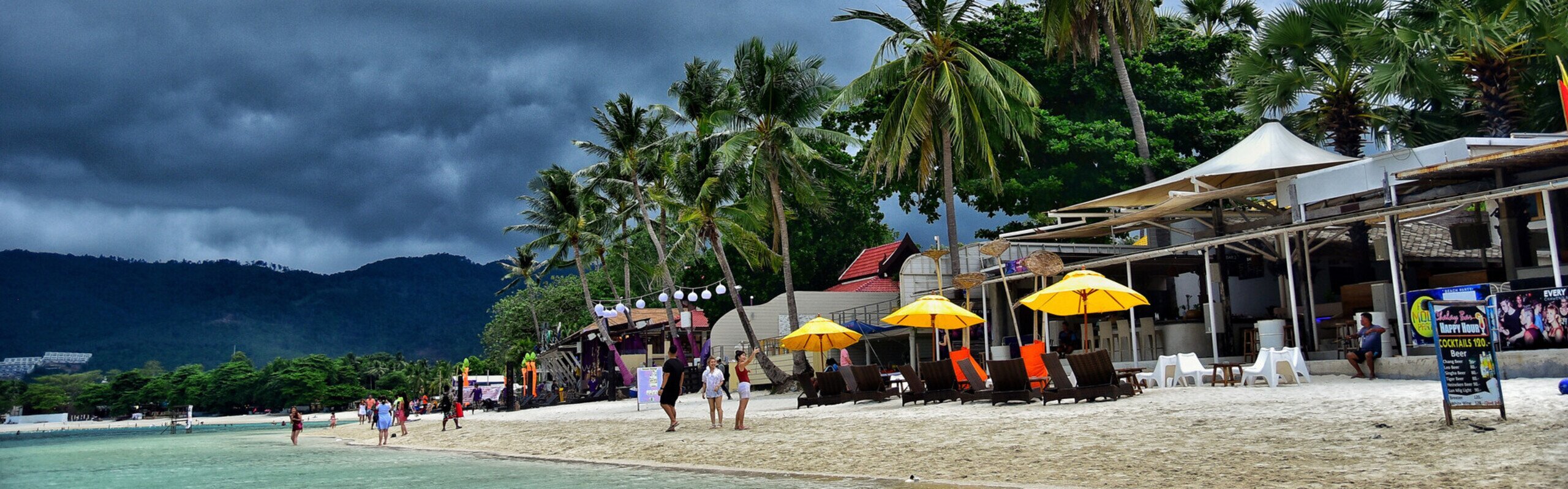
You've seen the photos: turquoise waters, golden temples, bustling night markets, and beach sunsets that look painted. But here's the thing: Thailand isn't a destination where "any month works the same".
Visit at the wrong time, and your dream getaway could turn into days of downpours, smoky skies, or sweaty treks under a scorching sun.
Thailand doesn't have a single worst month. What it does have are periods when certain plans simply stop working the way people expect.
Because the country's weather shifts dramatically by region, knowing where and when to go (or not go) makes all the difference.
If you're looking for the best months instead, see our full guide to the best time to visit Thailand.
When Island Trips Are Most Likely to Fail
Thailand has two island coasts — and they don't follow the same rainy-season calendar.
That's why advice about Thailand's "worst months" often sounds contradictory. People are usually talking about different coasts.
Andaman Coast (Phuket, Krabi): September–October
Where: Phuket, Krabi, Phi Phi, Khao Lak, Similan Islands
The Andaman Coast's rainy season runs roughly from May to October, but September and October are the toughest months for island trips.
During this period, heavy monsoon rain and rough seas are common. Boat tours are frequently canceled, and snorkeling conditions are poor.
The biggest problem isn't the rain itself — it's the sea conditions. Swimming can be unsafe, visibility drops, and island hopping becomes unpredictable.
If beaches, snorkeling, or boat-based activities are the main reason you're coming, this is the least reliable time of year for Thailand's west coast.
Related articles: Best time to visit Phuket; Best Time to Visit Krabi
The Gulf Coast (Koh Samui, Koh Phangan, Koh Tao): November
As the Andaman Coast starts to dry out, the Gulf islands enter their wettest period in November.
Rain here can last for days, not just short afternoon showers. Ferry schedules may change, and your plans often depend on what the weather allows that day.
If your island stay is short or tightly scheduled, this month can be frustrating. You might get lucky — or you might spend much of your time waiting out persistent rain.
Our advice: If your dates are fixed, consider switching coasts or shifting focus to cities instead of islands.
Related article: Best (and Worst) Times to Visit Koh Samui
So what about the rest of the rainy season?
For most travelers, this is the part people over-warn about, and the part that's actually manageable if expectations are realistic.
On the Andaman Coast, June to August is a mixed but workable period. Rain is more frequent than in the dry season, but it often comes in short bursts rather than all-day storms. Boat trips may be canceled occasionally, but many days are still suitable for beach time and snorkeling — especially if you stay flexible.
On the Gulf Coast, the pattern is almost the opposite. From June to September, islands like Koh Samui and Koh Phangan often see lighter, more scattered rainfall. These months can actually be a reasonable alternative if you're trying to avoid the Andaman's peak monsoon — just keep in mind that conditions change quickly once November approaches.
Related article: Thailand Rainy Season Travel Guide
When Northern Thailand Loses Its Scenery: Late February–Early April
Where: Chiang Mai, Chiang Rai, Pai
Late February to early April is burning season in the north. During this season, agricultural fires fill the air with smoke and fine dust.
Doi Inthanon's mountain vistas or Suthep Mountain's sunset panoramas are often obscured by thick haze.
For sensitive travelers, breathing might feel uncomfortable, eyes may water, and a smoky smell lingers, especially in the mornings and evenings.
If you're hoping for clear mountain views, sunrise viewpoints, or wide landscape shots, this is usually the time people feel let down.
If you plan a short city-based stay, exploring temples, cafés, or Chiang Mai's Old Town, the impact is minimal.
 Dull Panorama from Doi Inthanon National Park in March
When Heat Becomes the Main Problem: April
April is Thailand's hottest month. Temperatures regularly exceed 35°C (95°F), and humidity is intense.
Walking-heavy days, like exploring Bangkok's streets, Ayutthaya's temple ruins, or trekking in Chiang Mai, can quickly feel exhausting.
April doesn't make sightseeing impossible, but it changes how your days need to be paced. Outdoor visits work best early in the morning or late afternoon, with longer midday breaks indoors. Trying to pack full-day walking itineraries often backfires.
April also features Songkran, Thailand's famous water festival. It's a lively and unforgettable cultural experience, perfect if you enjoy crowds and festive chaos, but less suitable if you prefer calm or comfort.
Ayutthaya temples under intense heat in AprilWhen "Worst" Means Crowded and Expensive: Mid-December to Early January
During this period, Thailand enjoys excellent weather, but it also marks the peak of tourism. Hotels sell out fast, flights cost more, and major destinations feel busy.
If you are budget-conscious, plan carefully: last-minute bookings are likely to cost more.
If you value quiet or flexible travel, be prepared for busy sights and limited spontaneity.
Tips to navigate the peak season:
- Book accommodations and flights early to secure availability and better rates.
- Consider less-visited destinations or neighborhoods to escape the busiest crowds.
- Plan popular sights for early morning or late afternoon to avoid peak crowds.
The experience isn't bad—it's just less relaxed, so planning ahead is key to enjoying Thailand during this busy season.
See more travel tips on how to plan a Thailand trip.
Khao San Road, Bangkok is crowded in Dec.Quick Decision Table: When to Avoid What
| Destination | Skip These Months | Why |
| Phuket, Krabi | Sept–Oct | Heavy monsoon rains, rough seas |
| Koh Samui, Koh Phangan | Nov | Constant rain |
| Chiang Mai, Pai | Late Feb–Early Apr | Burning season haze |
| Bangkok, Ayutthaya | April | Extreme heat & crowds |
| Major tourist towns | Dec 20–Jan 10 | High season crowds & prices |
The "Sweet Spots" We Recommend
If you want the periods that are just right—good weather, manageable crowds, and fair prices—consider these months:
November is ideal: dry weather in the north, Bangkok, and the Andaman Coast. Gulf islands may see brief showers early in the month, but crowds are light and prices are reasonable—perfect for a multi-destination itinerary.
February–March remains mostly dry and warm. Northern trekking, island beaches, and city sightseeing all work well. Crowds are moderate, and accommodations easier to book.
June–August is shoulder season: expect afternoon showers on the Andaman Coast, but northern Thailand is lush, and Gulf islands are usually sunny. Fewer tourists and better rates make it appealing if you can be flexible.
These months don't guarantee perfection — they simply give you the most room for things to go right.
So, When Is Thailand Most Likely to Disappoint?
Thailand travel is most likely to disappoint when:
- Your trip relies heavily on islands during rough-sea months
- You visit northern Thailand for scenery during burning season
- You pack too much into a short trip during extreme heat
- You expect quiet travel during peak holiday periods
If your plans are flexible or paced slowly, many of these periods are manageable.
Plan Your Thailand Trip With Confidence
Whether you want sunny beaches, clear mountain views, or vibrant city experiences, timing is key.
For personalized advice tailored to your dates, destinations, and travel style, contact our Thailand travel consultants. We'll help you create an itinerary that maximizes experiences and minimizes surprises, so you can enjoy Thailand on your terms.
Find some inspiration from our popular Thailand tours:
- 10-Day Classic Thailand Tour: Bangkok - Chiang Mai - Phuket
- 14-Day Thailand Adventure with Jungles & Islands: Bangkok - Chiang Rai - Chiang Mai - Khao Sok - Khao Lak
Get Inspired with Some Popular Itineraries
At Highlights Travel, we create your kind of journey — your dates, your destinations, at your pace. You can have any trip tailor made for your travel.